Script
Coming up with an idea
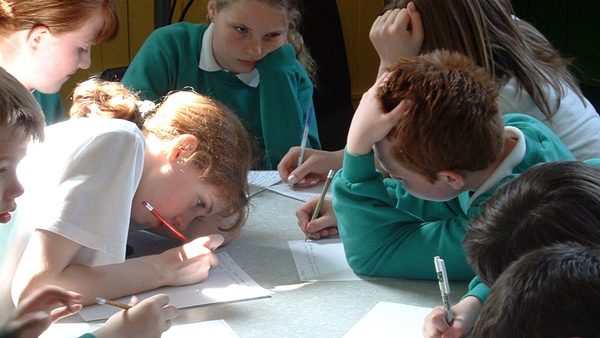
Have a brainstorm session to get ideas for your film. Research is a one of the best ways to get your group started. Use anything you can find as a way of getting their creative juices flowing: paintings, poetry, news items, etc.
Once you have a list of strong ideas, allow a few days to reflect on them. Then get everyone back together and talk through which they like best, and that work well, but also get the group to consider which might be the most realistic.
Having flexibility can be fun, however, working to a brief can be refreshing, because your creative energies are more tightly focused. If you're in school, do you have curriculum topic to use as a starting point for your film? (e.g. rainforests or beasties)
My advice to young filmmakers is this: Don't follow trends. Start them
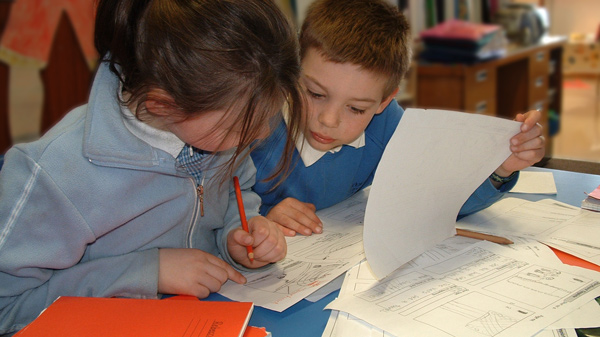
Once you have your ideas together you need to get them down on paper.
Synopsis
A synopsis is the short pitch to sell your idea. It conveys the dramatic through-line of the narrative without character intricacies or sub-plots. It is probably only one or two lines long! People often talk about an elevator pitch and this is a good way of thinking about it: Essentially, you bump into a famous wealthy person in a lift and by the time you reach the top floor they have agreed to fund your film...
The synopsis is the miniaturisation of the idea
Treatments & outlines
Outlines and treatments are descriptions of the film you want to make - they are both summaries of the project (usually in the industry for securing money) that help you convey what your film is about, before you produce a script or storyboard. A treatment is usually less than a page, and an outline is usually a few sides.
The script
Check out David Griffiths' excellent first writes pages for details on script & screenwriting. Celtx is a great piece of software to help you write, and download this clever PDF on screenplay formatting to help with your layout.
Writing is easy, its just a matter of staring at a blank page until your forehead bleeds
Shooting script
A shooting script is an enhanced, locked down version of the original script which includes: the scene numbers, camera directions, notes on special effects, information on sets, costumes, lighting, etc
Storyboards
A storyboard shows each shot in sequence, like a comic strip. It helps you think about how things are going to look and it saves time as everyone knows what is going to happen on the day.
I'm fascinated, he does an immense amount of homework, he comes with his storyboards and his sequences totally worked out
As well as the picture a storyboard should have:
- Shot/Scene number
- Shot size (mcu, ms, ecu)
- Note on what the action is
- Relevant information about the sound